
TCU Student Intern Program
Empowering TCU Students to Lead Community-Driven Climate Solutions
Engage in a year of learning, connection, and discovery -where data meets story, land, and community. Become part of the next generation of leaders strengthening Tribal sovereignty, protecting homelands, and building resilience for generations to come.
The Great Plains Tribal Water Alliance is committed to supporting the next generation of Tribal leaders, researchers, and environmental stewards. Through our TCU Student Internship Program, students from Tribal Colleges and Universities gain hands-on experience working on projects related to water, climate resilience, environmental stewardship, and Tribal sovereignty.
Interns collaborate with Tribal Nations, faculty mentors, and community partners to address real-world challenges facing Indigenous communities across the Great Plains. These opportunities provide valuable professional experience while helping strengthen Tribal capacity in environmental management, climate adaptation, and community-driven planning.
We are proud to highlight the accomplishments and contributions of our student interns, whose work helps advance GPTWA's mission to uphold Tribal water rights, support climate resilience, and honor & protect Tribal lands and waters for future generations.
Meet the Interns
-
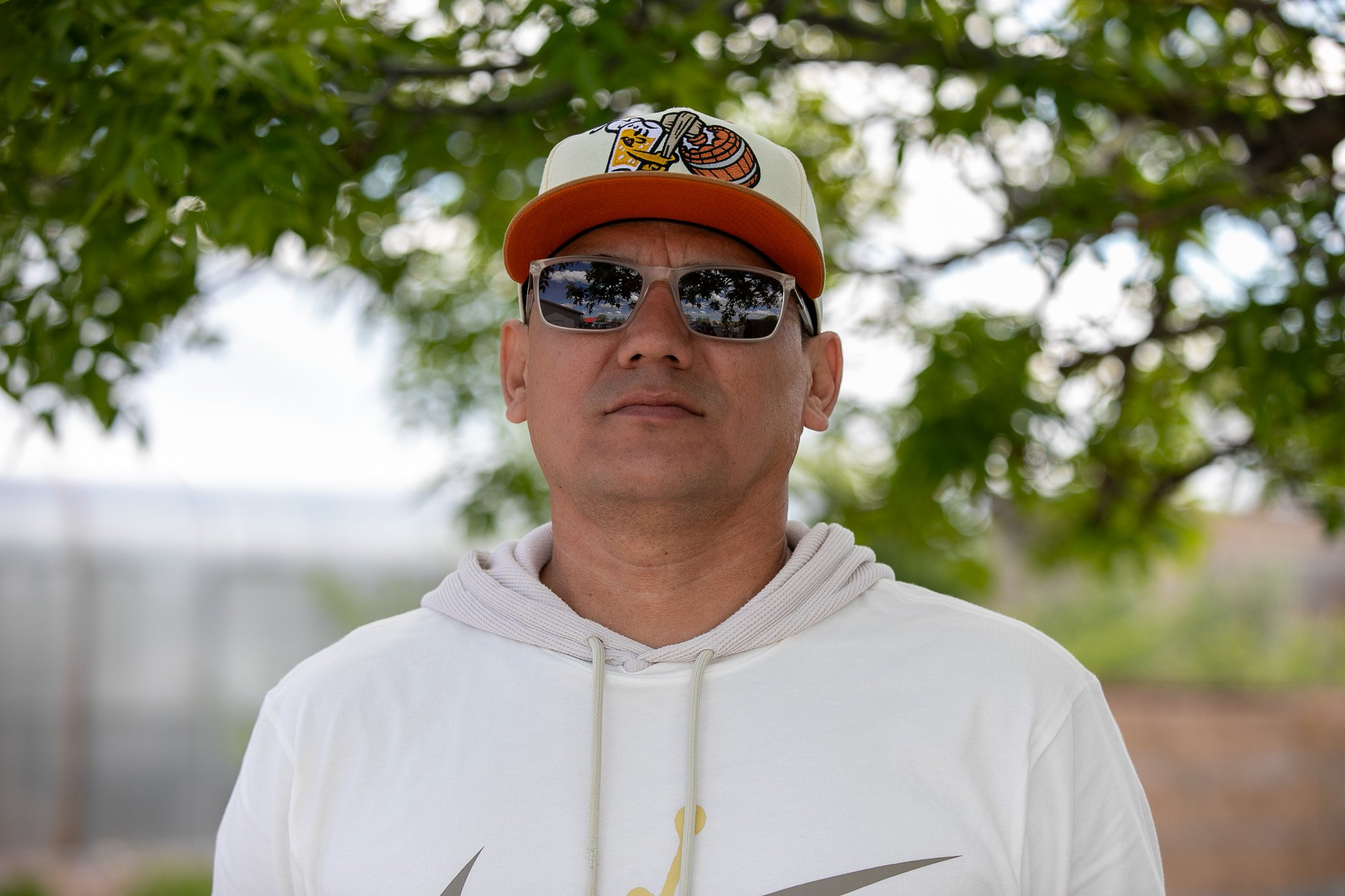
Juston Maurice Barse
Juston Barse is a member of the Sisseton Wahpeton Oyate and a student at Sisseton Wahpeton College pursuing an Associate of Arts degree in Dakota Studies. He is passionate about preserving Dakota language, history, culture, and traditional knowledge while helping strengthen future generations through education and community engagement. Before returning to college, Juston spent nearly twenty three years working in heavy industry, where he gained extensive experience in operations, safety, leadership, and workforce development. Following a life-changing workplace injury, he chose to pursue higher education and dedicate himself to service, recovery advocacy, and community development. As a participant in the Climate Data for Resilience Internship, Juston is focused on connecting climate science with Indigenous knowledge and community-based education. His project interests include water conservation, environmental stewardship, climate awareness, and creating educational resources that help youth understand the importance of protecting natural resources for future generations. Juston is a husband, father, and grandfather who believes that resilience, cultural identity, and community responsibility are essential to building a stronger future. His goal is to use education, traditional teachings, and lived experience to inspire others and contribute to the well-being of the Sisseton Wahpeton Oyate and Indigenous communities across the region.
-
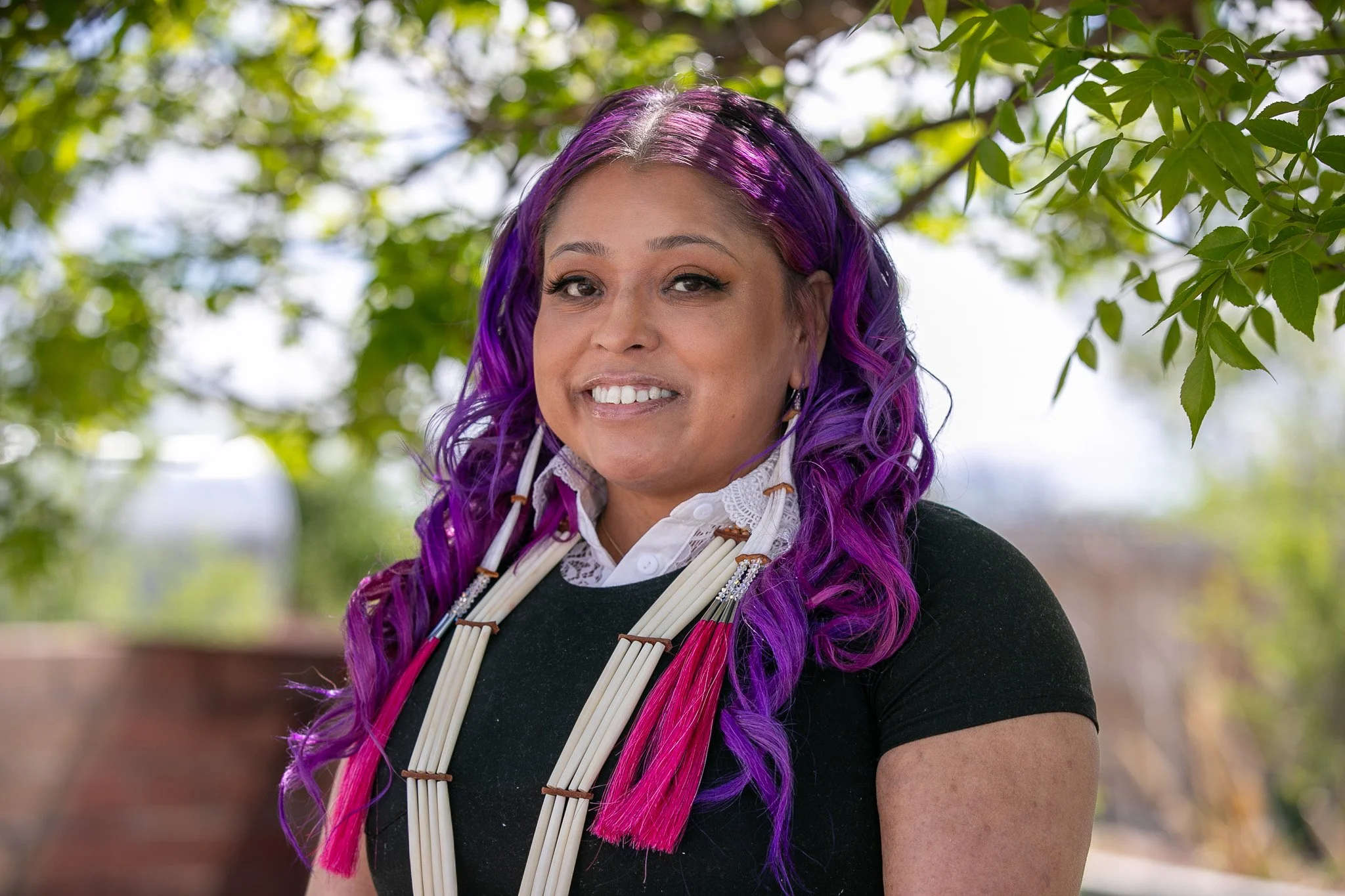
Kimberlee Blevin
Sunlight Woman (Kimberlee’s Traditional name given to her by her great grandmother) is an enrolled member of the Mandan, Hidatsa, and Arikara Nation and a descendant of the Hunkpapa Lakota. She is a member of the Ciicga (Zee-Dskah) Clan and is currently pursuing a Master of Science in Environmental Science with a focus on Atmospheric Science at Sitting Bull College. Kimberlee holds a Bachelor of Science in Environmental Science and Research and an Associate of Applied Science in Pre-Engineering.
As a Climate Resilience Intern, Kimberlee works to strengthen community adaptation and environmental stewardship by integrating Indigenous Knowledge systems with Western science. Her research focuses on climate resilience, environmental preservation, and supporting tribal communities through culturally grounded approaches to environmental challenges. She is passionate about braiding science, mentoring, and Traditional Ecological Knowledge (TEK) to create pathways for Indigenous-led research and education.
A mother, daughter, scholar, and educator, Kimberlee is dedicated to decolonizing STEM spaces and fostering future Indigenous scientists. Through her teaching of The Original Indigenous Scientist, she highlights how engineering, observation, innovation, and scientific thinking have been inherent within Indigenous communities since creation. She also advocates for the creation of Inipis (Holy Spaces) that honor cultural teachings while advancing scientific understanding.
-
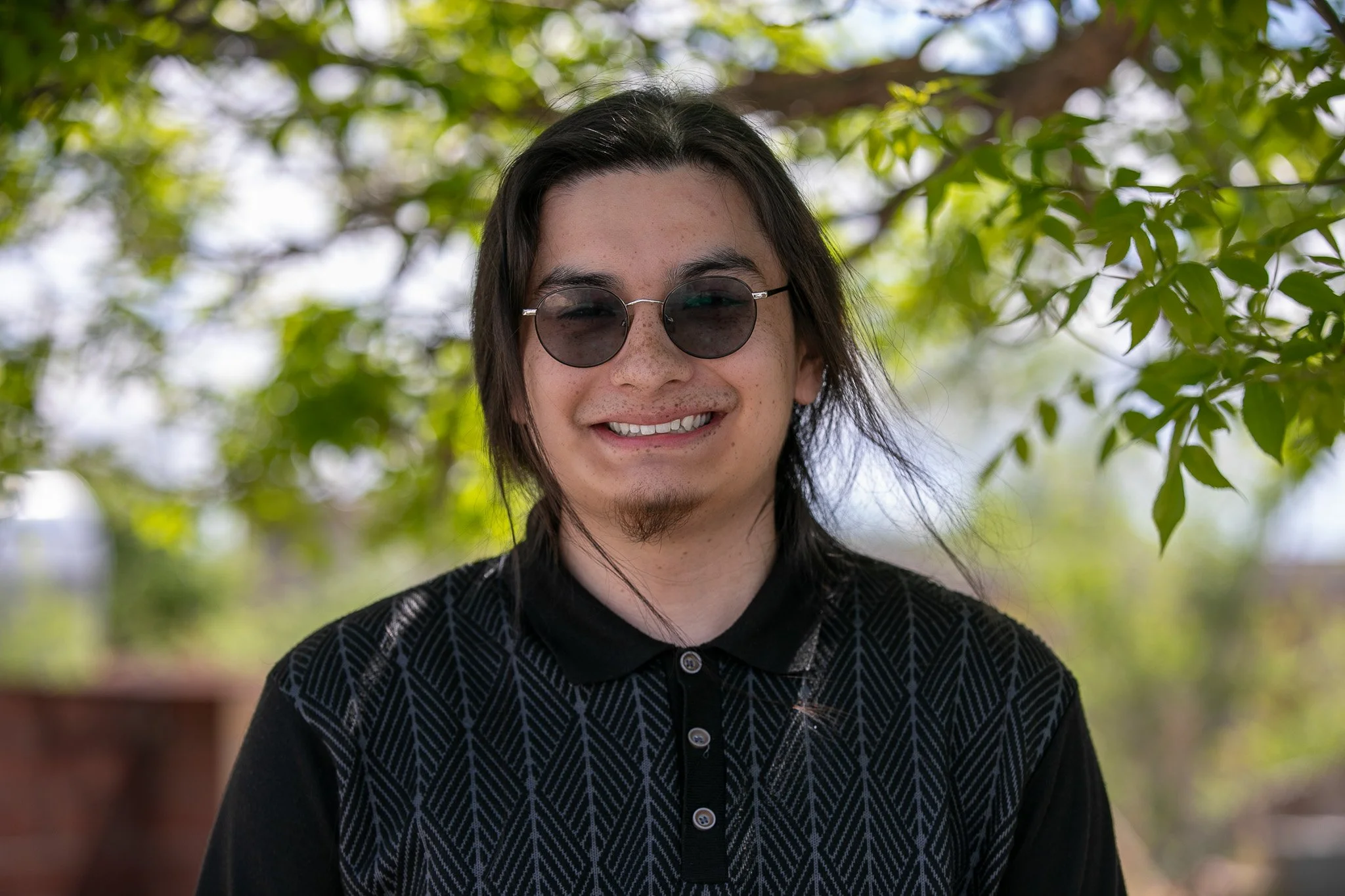
Sage DuMarce-White
Sage DuMarce-White is Dakota, and a member of the Sisituƞwaƞ-Waḣpetuƞwaƞ Oyate. After earning his B.S. in Information Systems & Cybersecurity at Neumont University, he enrolled at Sisseton Wahpeton College to pursue his A.A. in Dakota Studies, alongside certifications in Tribal Arts and Dakota Language Teaching. His love for learning has taken him many places, however currently he is figuring out what his Dakota identity means to him. Billiards, video games, driving, tinkering, and music are some of the hobbies he holds near and dear to his heart.
-
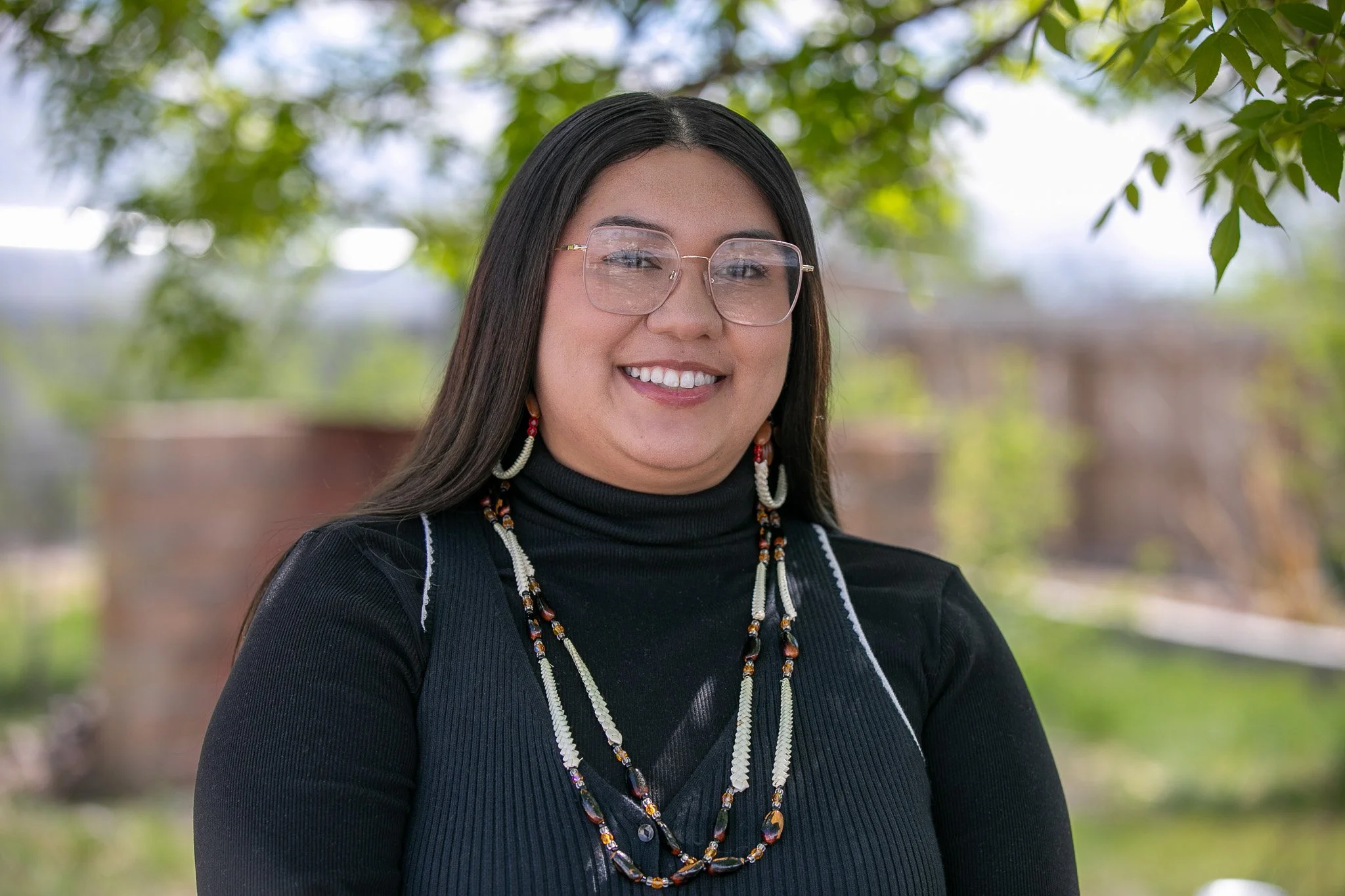
Denise Flores-Frazier
I am a member of the Reno-Sparks Indian Colony, I am Numu (Paiute) and kooyooe ticutta (cui-ui eater/Pyramid Lake Paiute band). I am a senior at Haskell Indian Nations University graduating Fall 2026 with a B.S in Environmental Science. My focus is water quality that has been impacted by anthropogenic driven climate change and aquatic systems. I love to be at the lake, river, swimming pool, anywhere with water.
-
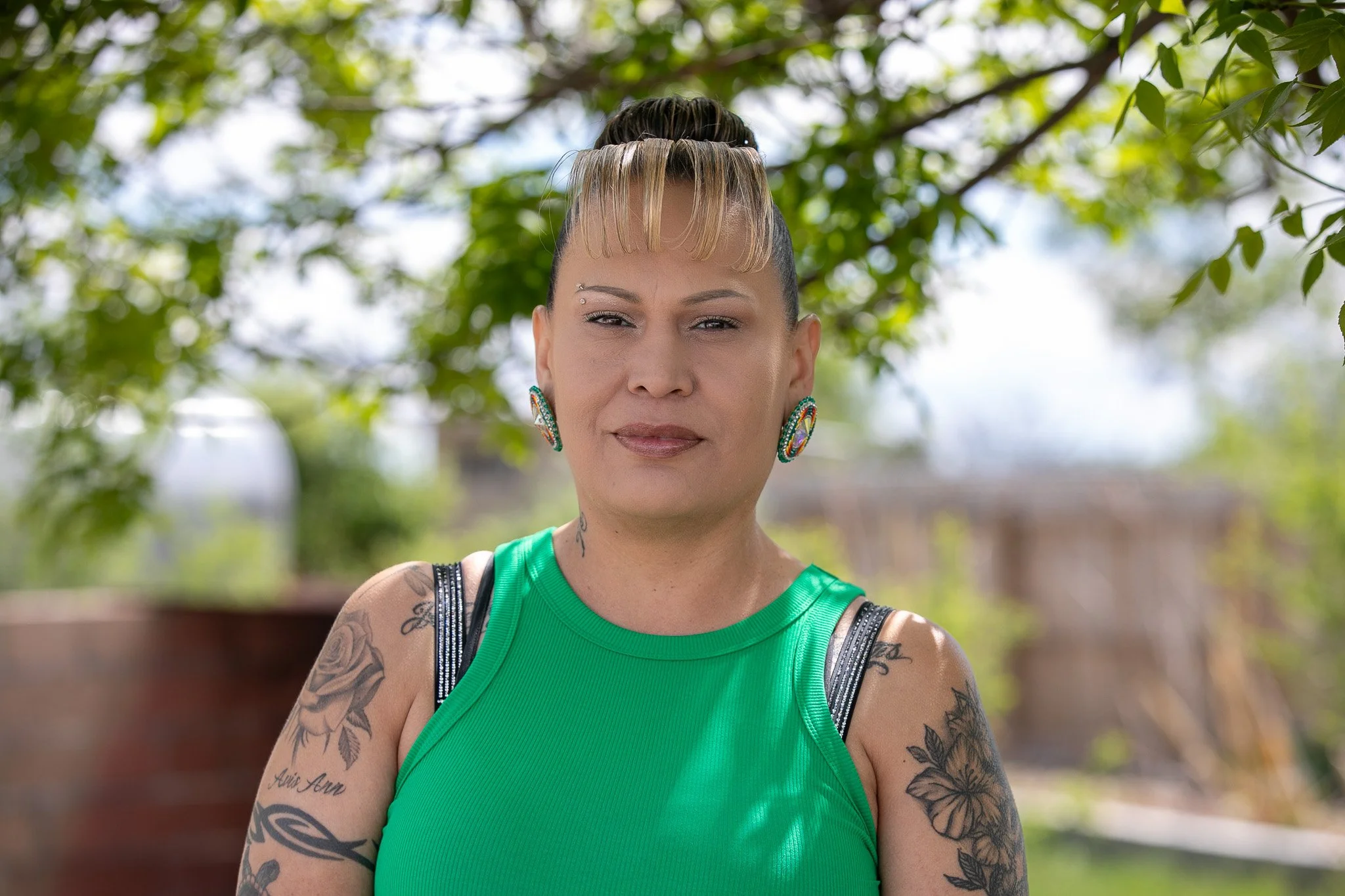
Jaimie Little Bear
Jaimie Rose Little Bear is from the Standing Rock Sioux Nation and is a descendent of "Wiyaka Waste Win", Good Feather Woman. She is the older sister of Sitting Bull. Jaimie Rose earned her Master's in business administration at Sitting Bull College this spring. She is currently working on this internship with the Great Plains Tribal Water alliance.
-
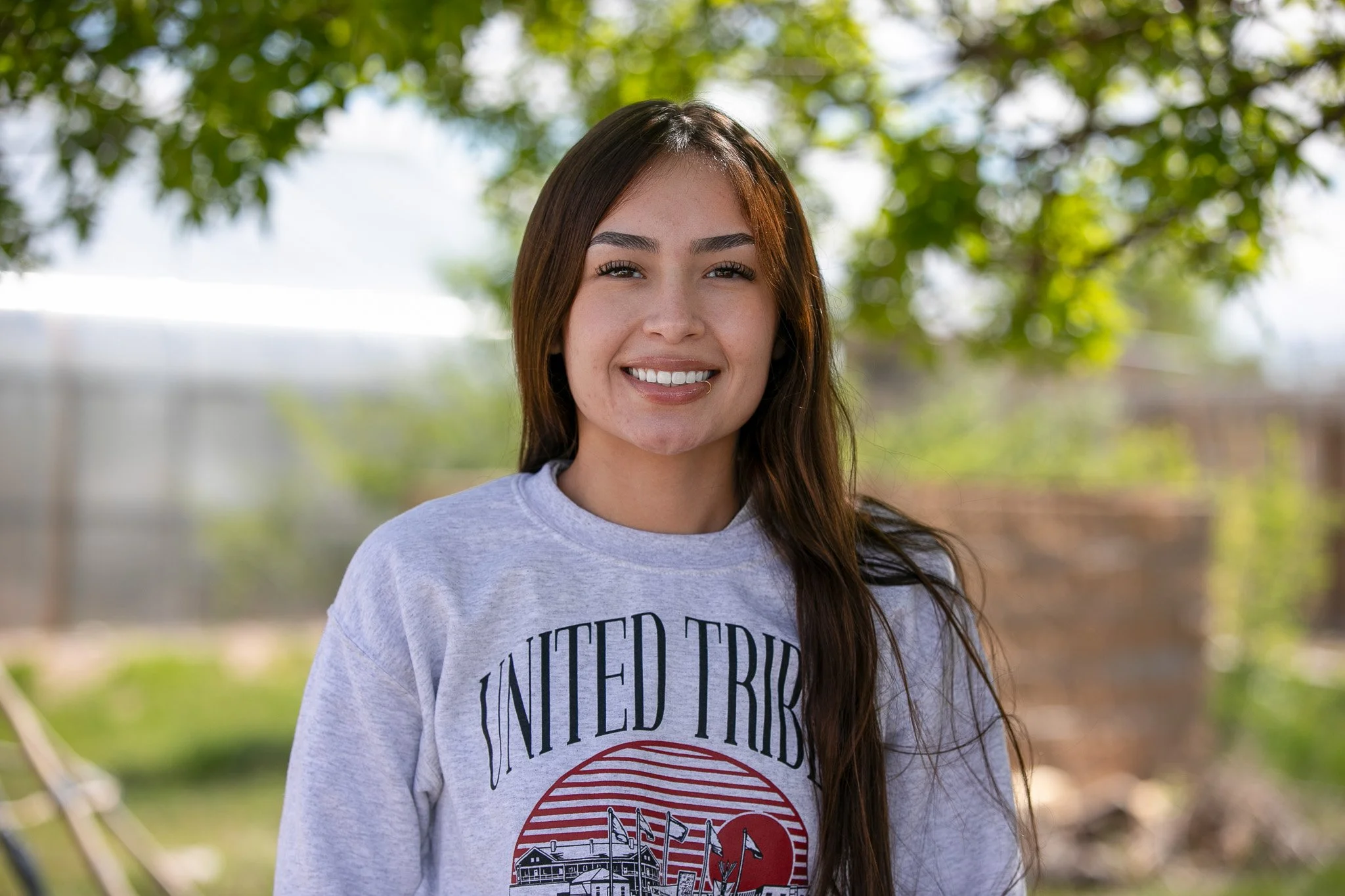
Talia Little Bull-Mahpiya Maza
My name is Wakaŋgli Kawíyakpa Wiŋ (Bright Shining Lighting Woman). I am Oglala Lakota from the Paȟiŋ Siŋte District on the Pine Ridge Indian Reservation. I study Elementary Education with an Endorsement in Special Education at United Tribes Technical College. My focus with the Great Plains Tribal Water Alliance as a Climate Resilience Intern, is to create a project to encourage youth and community members on my reservation to Reduce, Reuse, and Recycle with climate data and traditional knowledge.
-
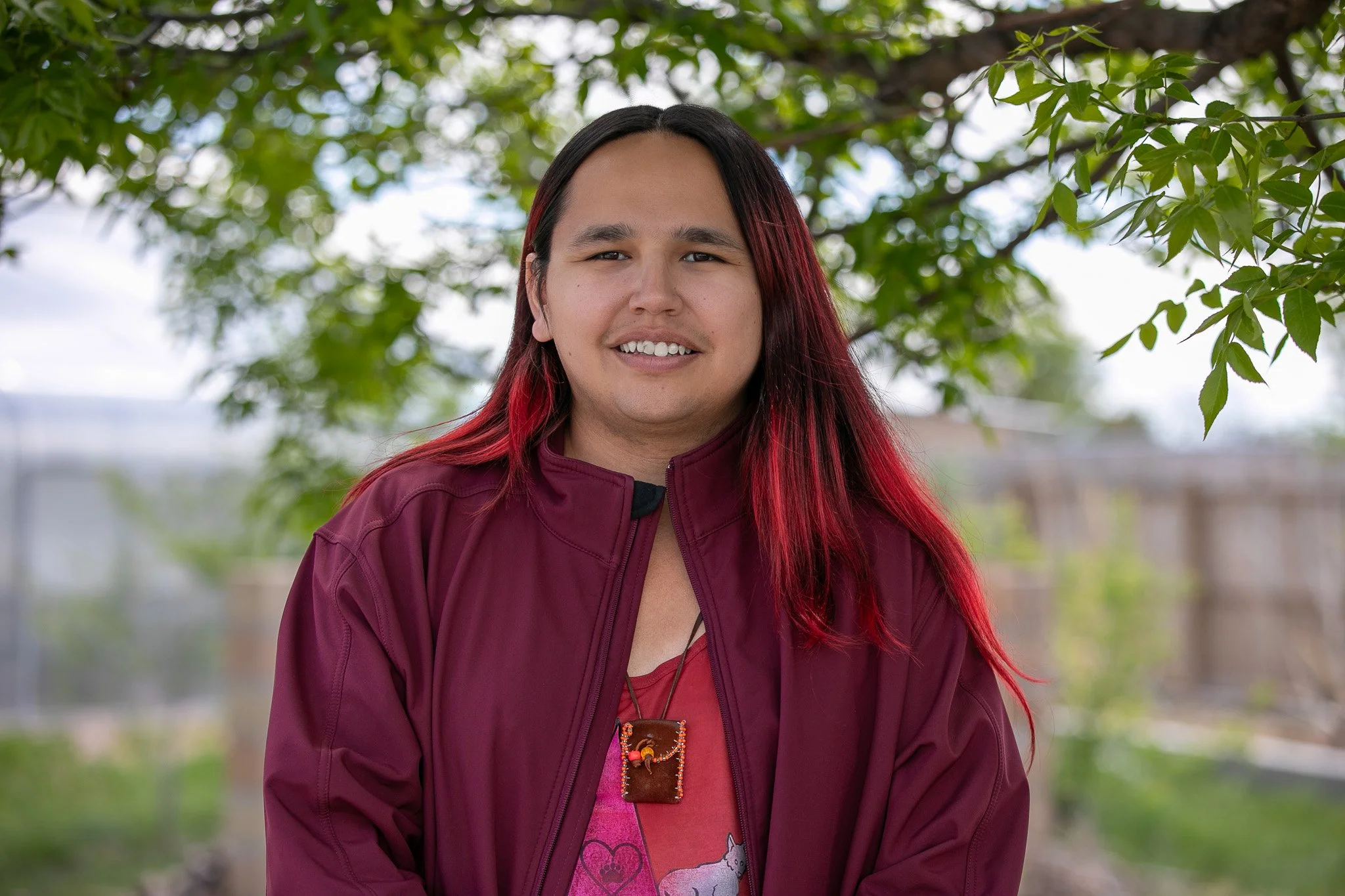
Nyna Matowin
Nyna Matowin is an Oglala Lakota student living on the Pine Ridge Reservation in South Dakota. She is currently attending Oglala Lakota College, going for her AA in Lakota Studies and the Lakota Language Certificate through Oglala Lakota College. She will eventually pursue her BA in Lakota Studies with an emphasis on her people's Lakota language then later on her Master's in Lakota Leadership and Management. She is also a multi award winning, nominated singer / songwriter having garnered millions of views across multiple media platforms, with her current biggest platform being TikTok, with nearly 17k followers. With a distinct mind and passion for her people, Nyna is sure to leave her mark one way or many others.
-
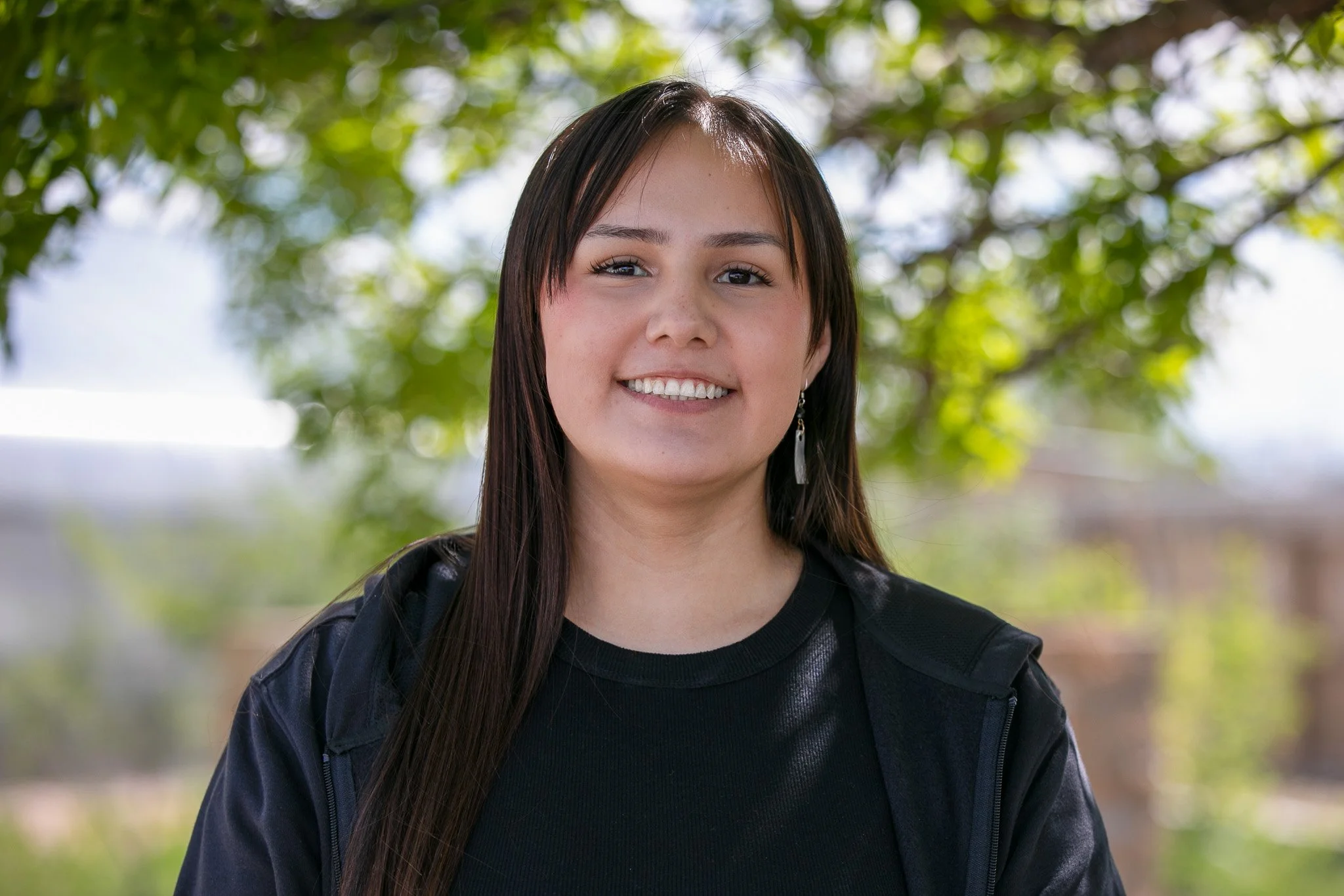
Serenity Squirrel Coat
My name is Wakan Mani Win. I am Dakota from the Sisitunwan Wahpetunwan Oyate. I recently earned my A.A in Dakota Studies from Sisseton Wahpeton College, and will continue my education there to complete a Certificate. My focus is to learn about the impacts of human activity on the environment, especially the water quality of our lakes here on the Lake Traverse Reservation. My goal is to help create more awareness about how human actions affect our water.
-
Nashae Thunder Chief
Han mitakuyepi, my name is Nashae Thunder Chief from the Standing Rock Sioux Tribe, but I was born and raised amongst the Oglala in Little Wound SD. I have two daughters, a loving husband and two crazy cats. We currently reside in Rapid City, where we are enrolled at Oglala Lakota College, where I plan to graduate in Spring with my A.A in Early Childhood and Endorsement in Indian Studies. Growing up we were taught to treat everyone with respect and love the land. We are very culturally active and participate in our cultural activities daily.
-
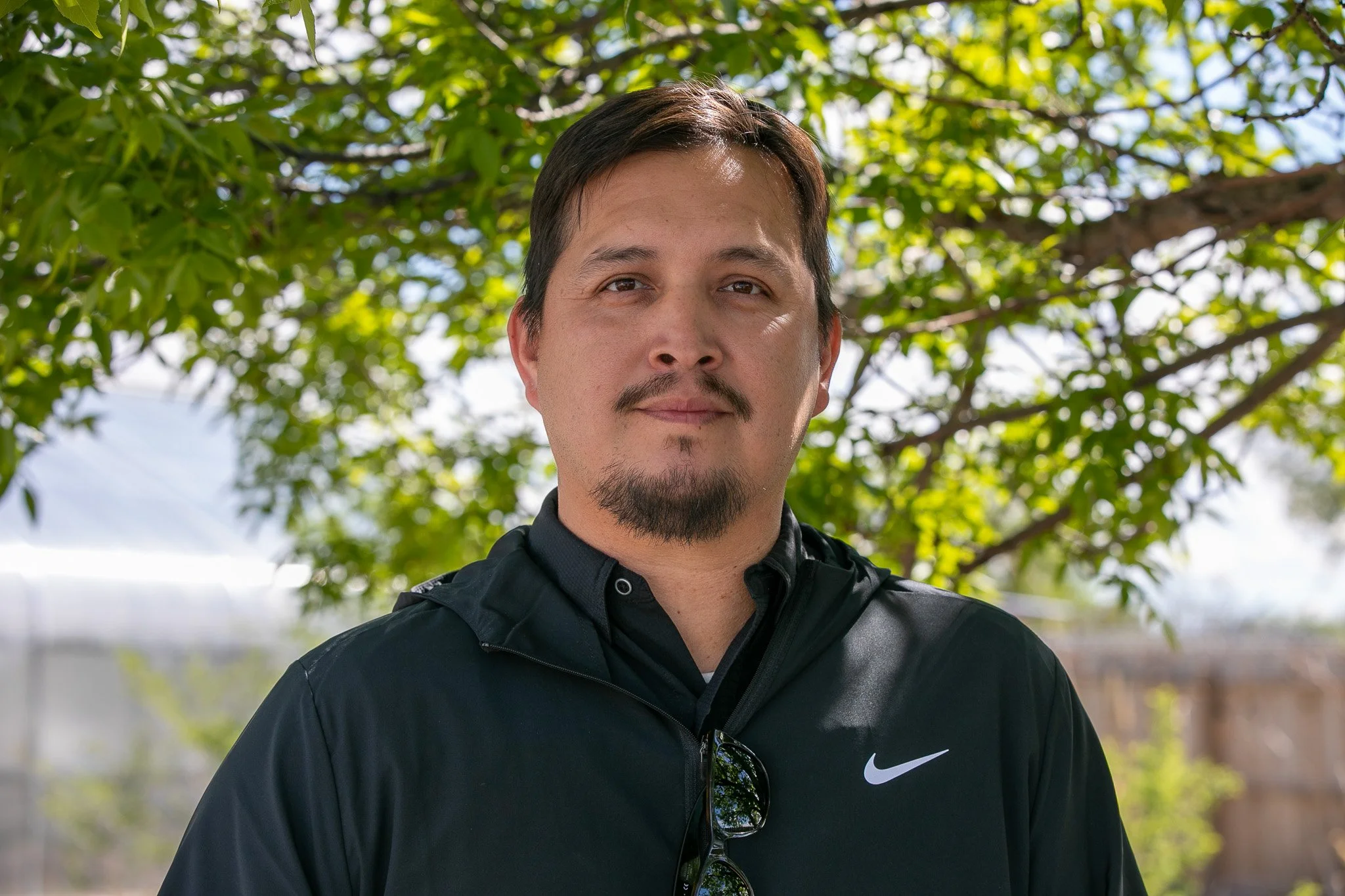
Marlon Weston
Marlon Weston is an enrolled member of the Oglala Sioux Tribe from the Pine Ridge Indian Reservation. He recently earned a degree in Lakota Studies from Oglala Lakota College and is preparing for graduate studies in Data Science. Marlon currently serves as Director of the Oglala Sioux Tribe Environmental Protection Program. Through the Great Plains Tribal Water Alliance internship program, he is exploring the intersection of Indigenous knowledge, environmental monitoring, climate resilience, and data-informed decision-making. His interests include water resources, land stewardship, regenerative grazing, buffalo restoration, GIS, and environmental data systems. Marlon is committed to strengthening Tribal capacity through the integration of Lakota knowledge, environmental science, and emerging technologies that support future generations.
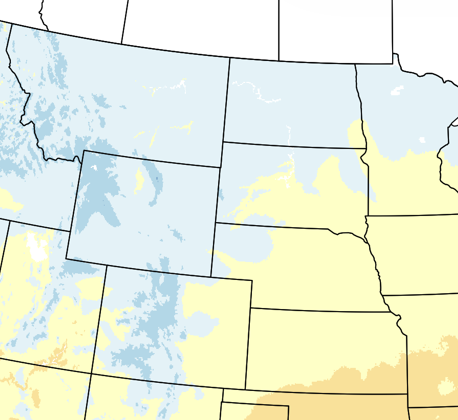
Curriculum
Empowering Future Leaders Through Climate Knowledge and Responsible Data Practices
-
1. Climate Toolbox: climatetoolbox.org
The most versatile single resource on this list. Covers the entire contiguous U.S. and offers a wide suite of climate variables — temperature, precipitation, drought indices, frost dates, and more — for any location you choose. Includes both historical observed data and future climate projections from multiple models. Very user-friendly interface; a great first stop for both historical context and exploring what the future may look like under different warming scenarios.
2. NOAA Climate at a Glance: ncei.noaa.gov/access/monitoring/climate-at-a-glanceHistorical observed data only — no future projections. Excellent for exploring long-term temperature, precipitation, and drought trends by state, county, region, or nationally. Particularly useful for visualizing rankings (e.g., how does this year's temperature compare to all years on record?) and plotting trends over decades. Clean, accessible interface well suited to non-specialists.
3. USGS National Climate Change Viewer: https://www.usgs.gov/tools/national-climate-change-viewer-nccvFuture climate projections only — no historical data. Built on statistically downscaled climate model output (CMIP5 and CMIP6), it lets you visualize projected changes in temperature, precipitation, snow water equivalent, runoff, soil moisture, and evaporative deficit by state, county, or watershed (HUC). Covers three future time periods out to 2099. Good complement to Climate Toolbox for a focused look at modeled future conditions and water balance changes.
4. USDA NRCS — Interactive Map from National Water and Climate Center : https://nwcc-apps.sc.egov.usda.gov/imap
The go-to resource for current and historical conditions on snowpack, streamflow, soil moisture, and reservoir storage — especially for the western U.S. Powered by the SNOTEL network of over 900 automated monitoring stations. Provides easy visual tools to see how current conditions compare to historical medians and past years. Particularly useful in spring for tracking snowpack and water supply forecasts.
5. USGS National Water Dashboard: dashboard.waterdata.usgs.govThe best tool for exploring real-time and historical streamflow data from over 13,500 USGS stream gauges nationwide. The map shows current gauge conditions color-coded relative to historical percentiles. Clicking on any individual gauge lets you graph current flows against past years, view long-term historical records, and compare current conditions to the full period of record. Useful for tracking drought, flood events, and how flow seasonality is shifting over time.
6. ACIS Climate Maps: https://hprcc.unl.edu/maps.php?map=ACISClimateMaps
quick mapping of current climate conditions.
7. https://climatereanalyzer.org/clim/sst_daily/?dm_id=world2
A University of Maine platform for visualizing climate and weather forecast models. Site content is organized into three general categories: Weather Forecasts, Climate Data, and Research Tools. -
Status of Tribes and Climate Change Report . https://sites.google.com/view/staccreport/access-the-reports/stacc-volume-2
Fifth National Climate Assessment: Chapter 16 Tribes and Indigenous Peoples. https://toolkit.climate.gov/sites/default/files/2025-07/NCA5_Ch16_Tribes-and-Indigenous-Peoples.pdf
At Climate Reality, we recruit, train, and mobilize people of all ages and backgrounds to work for just climate solutions that speed the global transition from dirty fossil fuels to clean, renewable energy. https://www.climaterealityproject.org/climate-101
Climate 101: Science, Impacts, and Society. https://coast.noaa.gov/digitalcoast/training/climate-101.html
Curious about the realities of climate change? Here are a few things you should know about climate change and how it impacts our planet. https://www.usgs.gov/science/science-explorer/climate/climate-change-101
Would you like to be more informed about climate change? The Environmental Innovations Initiative's Climate 101 series provides "what you need to know" from some of Penn's leading experts. https://environment.upenn.edu/climate-101
Climate 101: An interactive dictionary about climate change. https://static.uncclearn.org/Net_Zero_101/Interactive/#/
Here you'll find the basics on climate science, key energy and emissions trends, extreme weather, and other climate impacts. Students, teachers: check out the Climate Classroom. https://www.c2es.org/category/climate-101/
-
A mesonet - short for mesoscale network - is a collection of professional weather stations with closer spacing and more frequent reporting that characterizes fine scale, dynamic weather. South Dakota State University's Mesonet is used by the general public, agriculture, public safety, the National Weather Service and researchers.
The Mesonet’s most important weather reports are available in the Lakȟótiyapi (Lakota language) of Oceti Šakowiŋ, the official indigenous language of South Dakota. Lakota words are specially marked.
Click for audio (Lakota and English translation).
Hover for text (English translation).
Links at the bottom of the page (English | Lakȟótiyapi) toggle languages.
-
Indigenous Data Sovereignty & Governance. https://nni.arizona.edu/our-work/research-policy-analysis/indigenous-data-sovereignty-governance
USIDSN ensures that data for and about Indigenous Peoples in the US are utilized to advance Indigenous aspirations for collective and individual wellbeing. https://usindigenousdatanetwork.org/
Global Indigenous
Data AlliancePromoting Indigenous Control of Indigenous Data. https://www.gida-global.org/
CARE Data Maturity Model. https://indigenousdatalab.org/care-data-maturity-model/
IEEE Recommended Practice for Provenance of Indigenous Peoples' Data. https://standards.ieee.org/ieee/2890/10318/Podcast: https://open.spotify.com/episode/0uggVFpNo1qr7U2TB3ARKh
The Māori Data Governance Model has been designed by Māori data experts for use across the Aotearoa New Zealand public service. https://www.kahuiraraunga.io/maoridatagovernance
Cherokee Nation Information Technology Artificial Intelligence (AI) Policy. https://www.cherokee.org/media/fo4pcqvz/cherokee-nation-information-technology-artificial-intelligence-ai-policy.pdf & https://www.cherokee.org/media/0ipldvul/task-force-report-on-ai-data-sovereignty-cybersecurity.pdf
Practicing Pikyav: Policy for Collaborative Projects and Research Initiatives with the Karuk Tribe. https://policylab.chop.edu/sites/default/files/2024-01/Policies-for-Research-with-Karuk-Tribe.pdf
The Indigenous Data Authority (IDA) is an Indigenous-led governance and certification body that ensures Indigenous data is governed lawfully, ethically, and with proper authority before it is collected, reused, inferred, or embedded into digital or AI systems. https://indigenousdataauthority.world/
Tribal Stewardship Policy. https://resources.ca.gov/Initiatives/Tribalaffairs/TribalStewardshipPolicyAndToolkit/Explore-the-Toolkit
Indigenous Data Sovereignty Toolkit. https://nwac-afac.ca/assets-documents/Indigenous-Data-Sovereignty-Toolkit-EN.pdf
-
Independent news on climate change and the environment and their intersections with energy, policy, food, extreme weather, and more. https://grist.org/
Talking Climate by Katharine Hayhoe
Each week I share a good news story & a not so good news story about the climate crisis + something you can do about it!
-
A podcast hosted by Matika Wilbur (Swinomish and Tulalip) , and Temryss Lane (Lummi Nation), to explore our relationships—relationships to land, to our creatural relatives, and to one another. https://www.allmyrelationspodcast.com/
The Nature Of with Willow Defebaugh. As the editor-in-chief of Atmos, Willow Defebaugh has dedicated her life to illuminating the wisdom of the natural world. In The Nature Of, she sits down with artists, scientists, and cultural pioneers—from Esther Perel to Maggie Rogers—to uncover what nature can teach us about creativity, connection, and change. https://lnk.to/thenatureofST
How We Survive
https://www.marketplace.org/shows/how-we-survive/
Podcast from journalist Amy Scott on the climate issues, the solutions, and the impact of the solutions (both climate and society)
The Carbon Copy is a weekly narrative-news show that explains the business and tech trends shaping decarbonization. https://www.canarymedia.com/podcasts/the-carbon-copy
This podcast is for professional growers and agronomists who want to learn about the science and principles of regenerative agriculture systems to increase quality, yield, and profitability. https://advancingecoag.com/podcasts/
Two comedians with Master's Degrees in Climate Science & Policy and Urban Planning. But don’t get too excited, because they’re here to examine the pervasive myths and misinformation campaigns that are making it obnoxiously difficult to address the looming climate crisis you've probably heard about. https://podcasts.apple.com/us/podcast/the-climate-deniers-playbook/id1694759084
Building Tomorrow Podcast by Urban Green Council. https://open.spotify.com/show/05eJioQF47MElzhlzGxJfy
A 20-30 minute podcast from the BBC where two hosts cover a different "climate question" each week, traveling to sites and doing interviews with experts and locals. Very digestible and beginner-friendly, while also enlightening and wide-ranging. https://www.bbc.co.uk/programmes/w13xtvb6
Three climate experts discuss solutions, current events, etc related to climate from policy, technology, and business perspectives. It's great because they often disagree, which leads to insightful debates, and they focus on real solutions and impact, not just advocacy. https://www.latitudemedia.com/podcasts/open-circuit/
How to Save a Planet. This is a podcast about how to save the planet from the climate crisis. It is educational with calls to action. https://open.spotify.com/show/1KzrasExlM5dgMYwgFHns6?si=93d9d7ff5dab4a37&nd=1&dlsi=c89dfc6818794de5
A weekly podcast about the inevitable impacts of climate change and the solutions shaping our future. https://mcj.vc/media/podcast
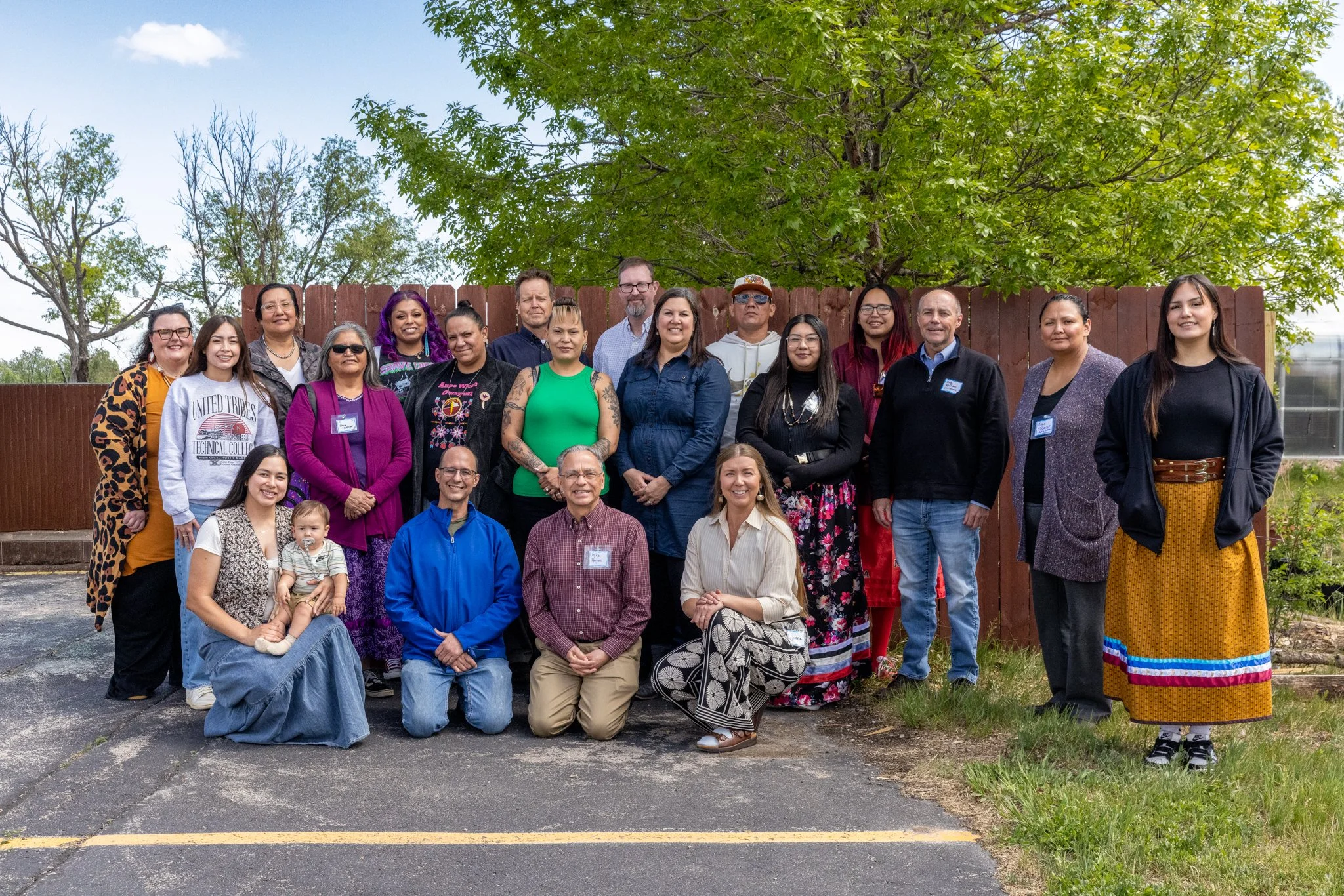
Group picture at our Očéti Šakówiŋ Climate Resilience Workshop
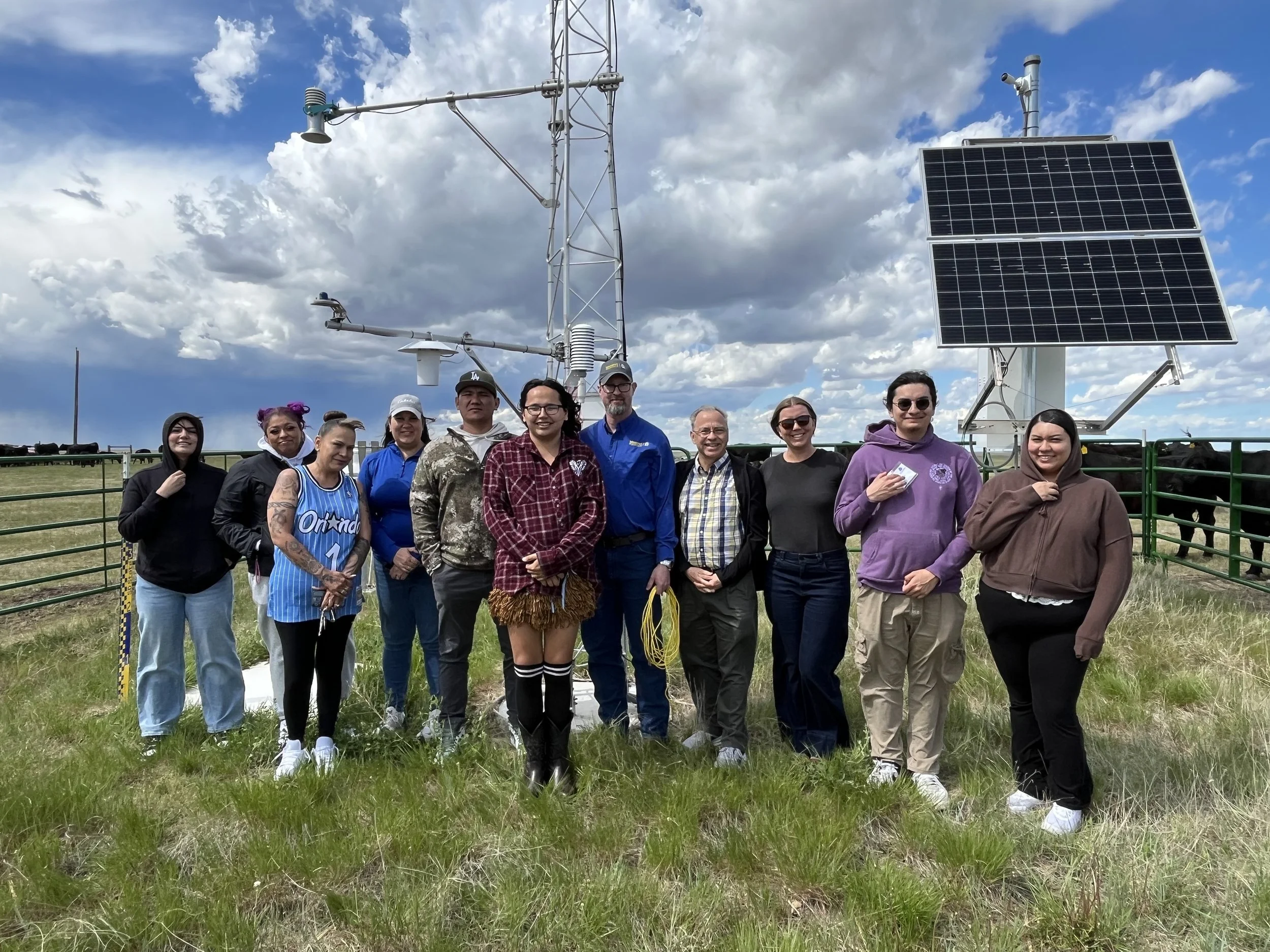
Visit to a Mesonet station
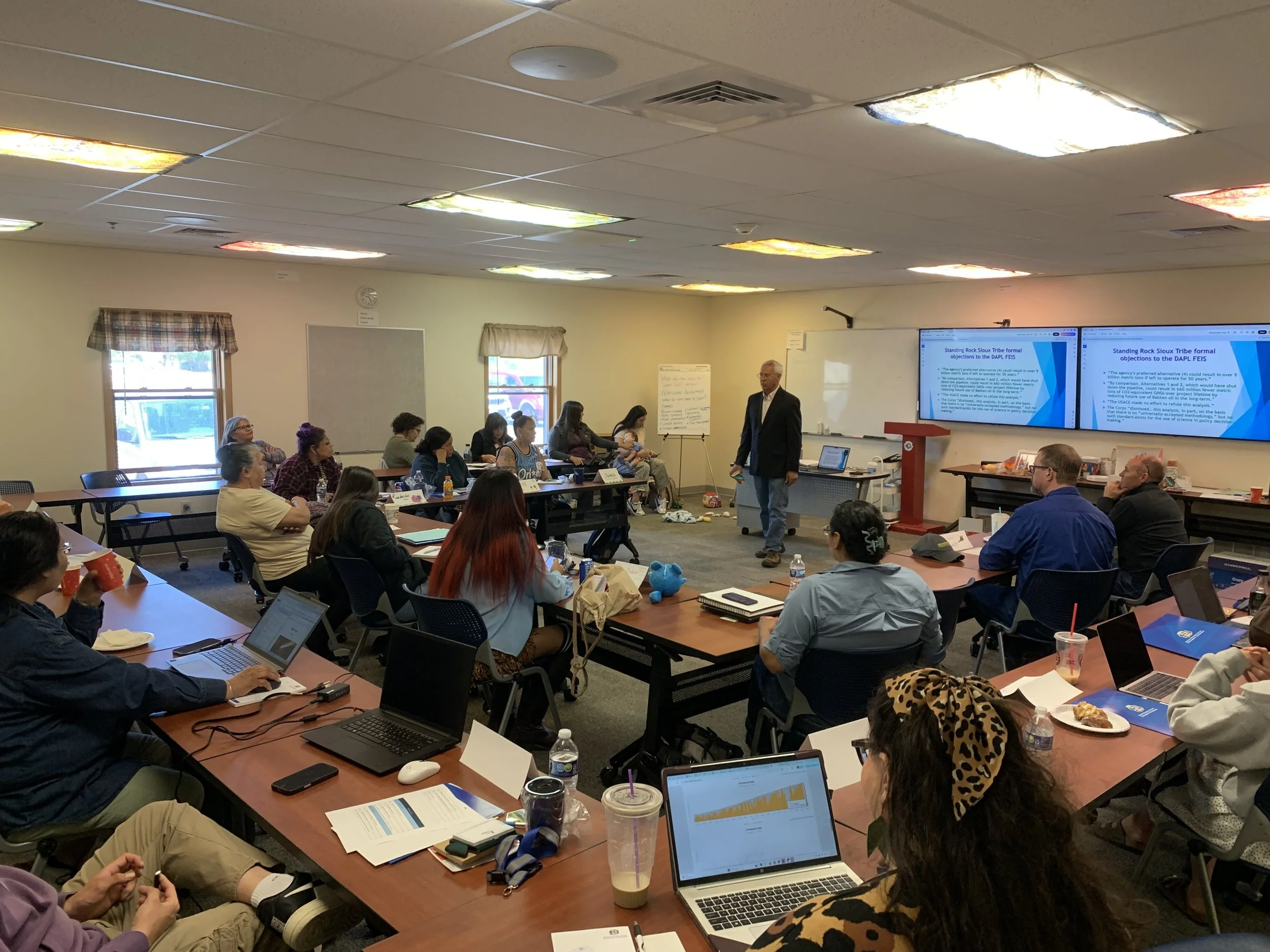
Learning about DAPL
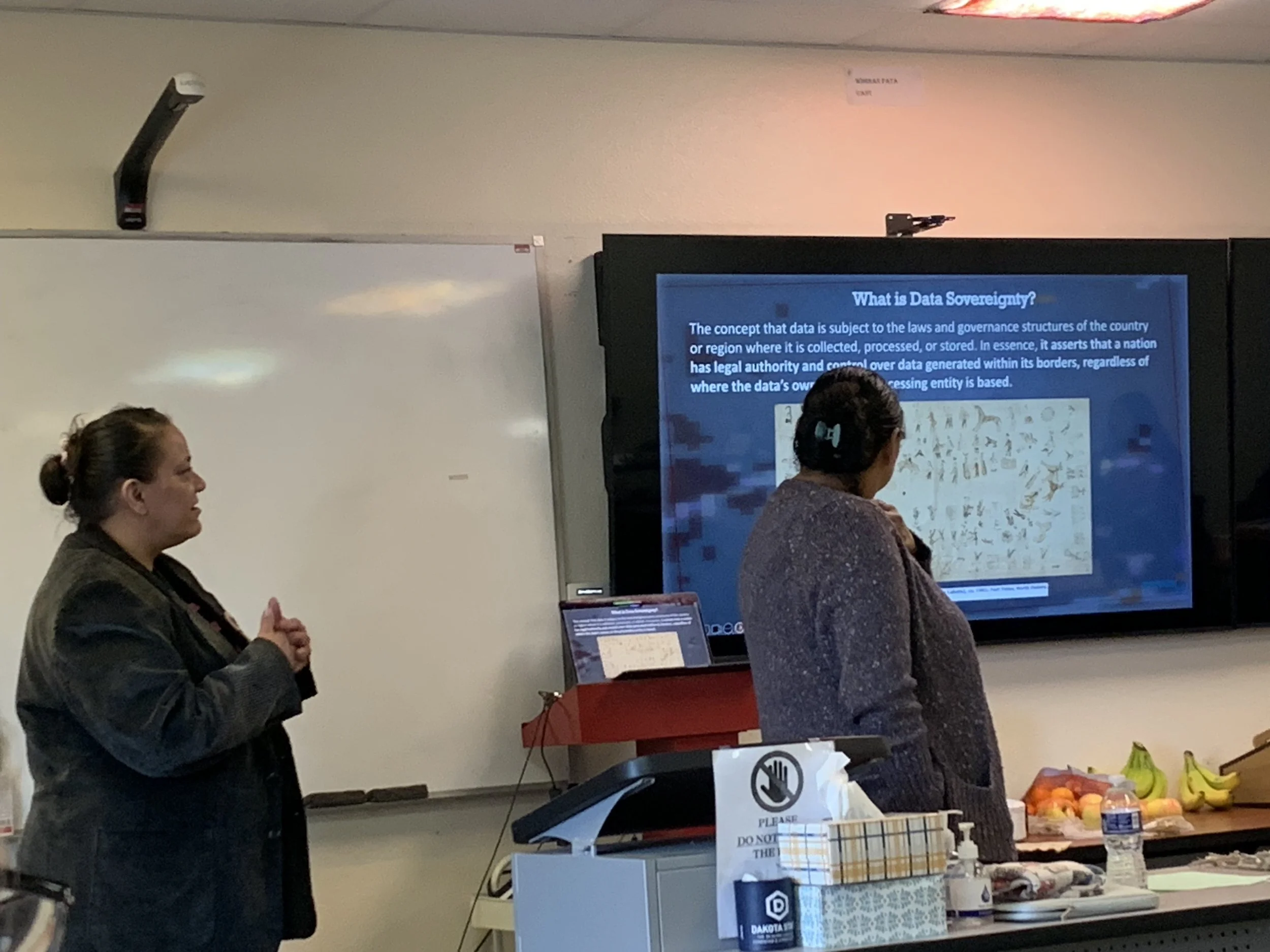
Learning about Tribal Data Sovereignty
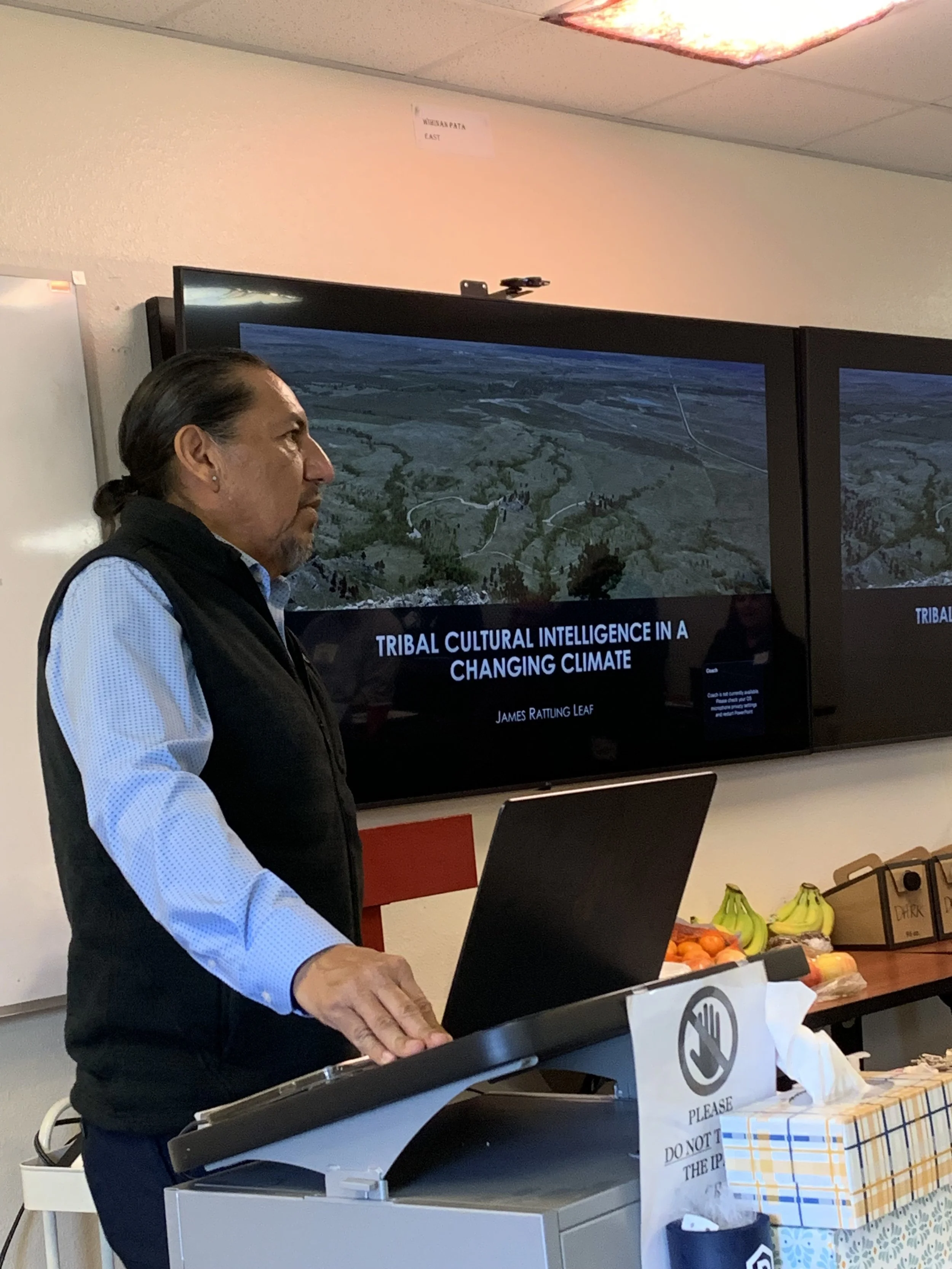
Learning about Cultural Intelligence
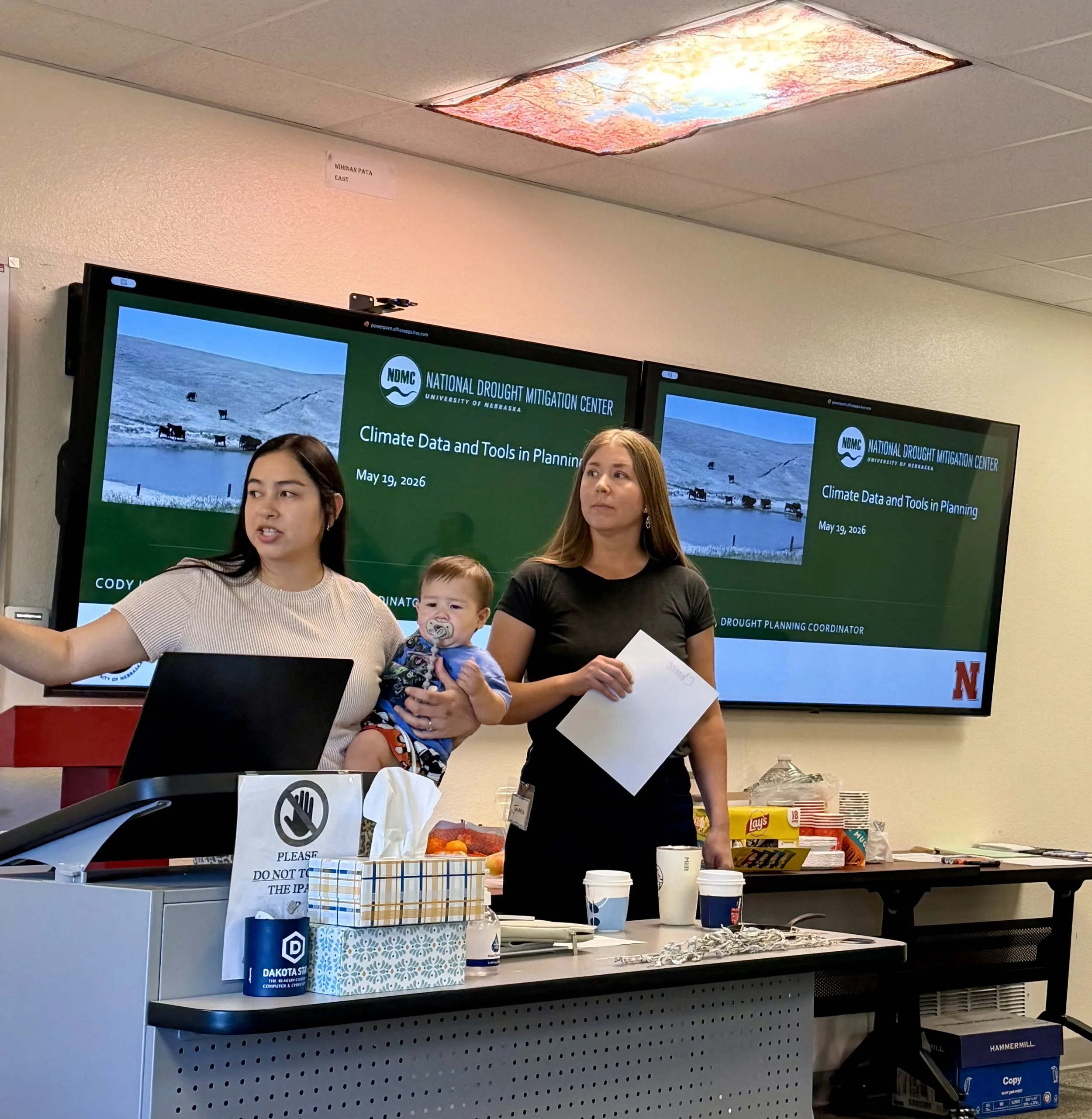
Beginning day two
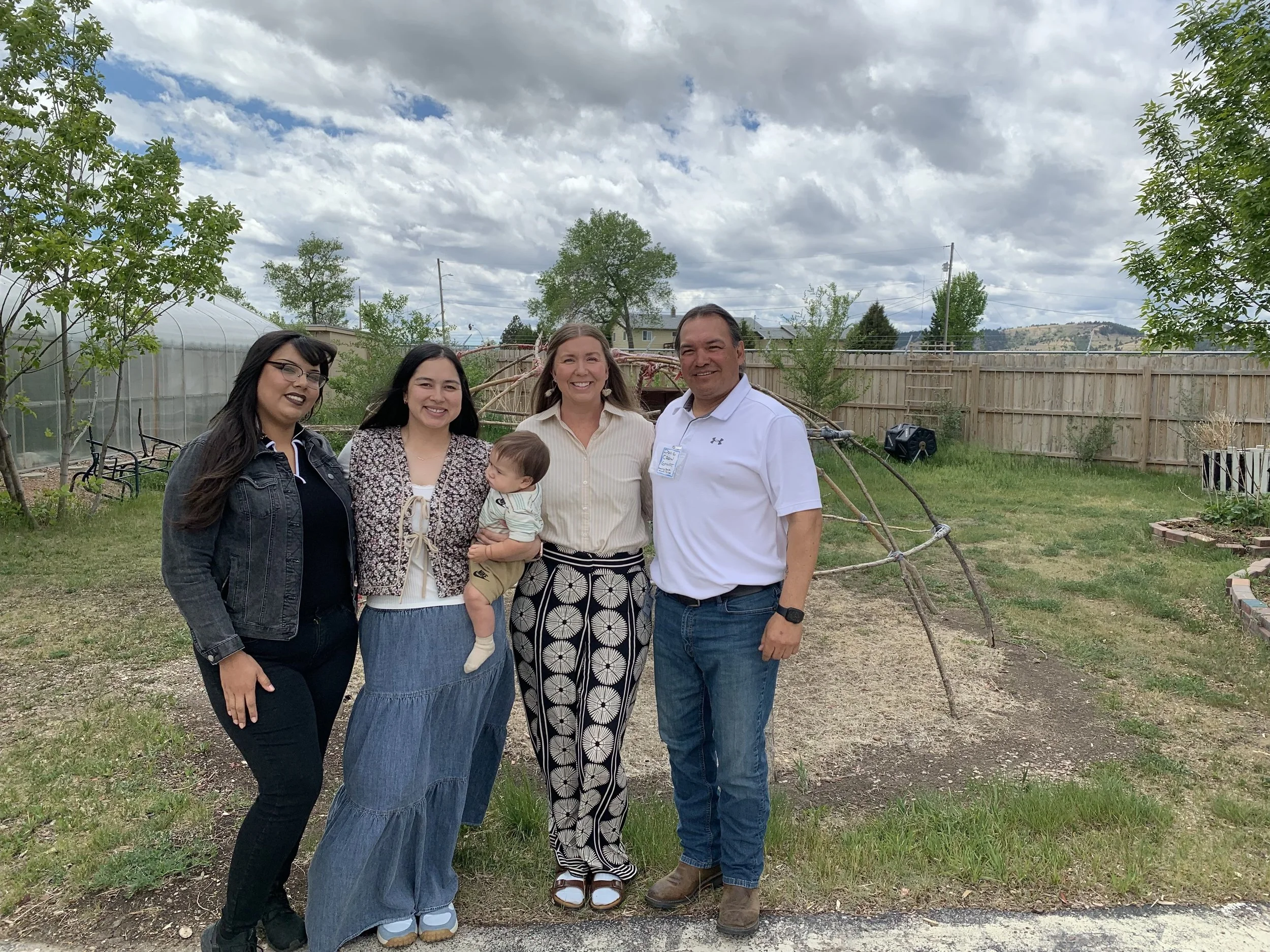
GPTWA staff and board members
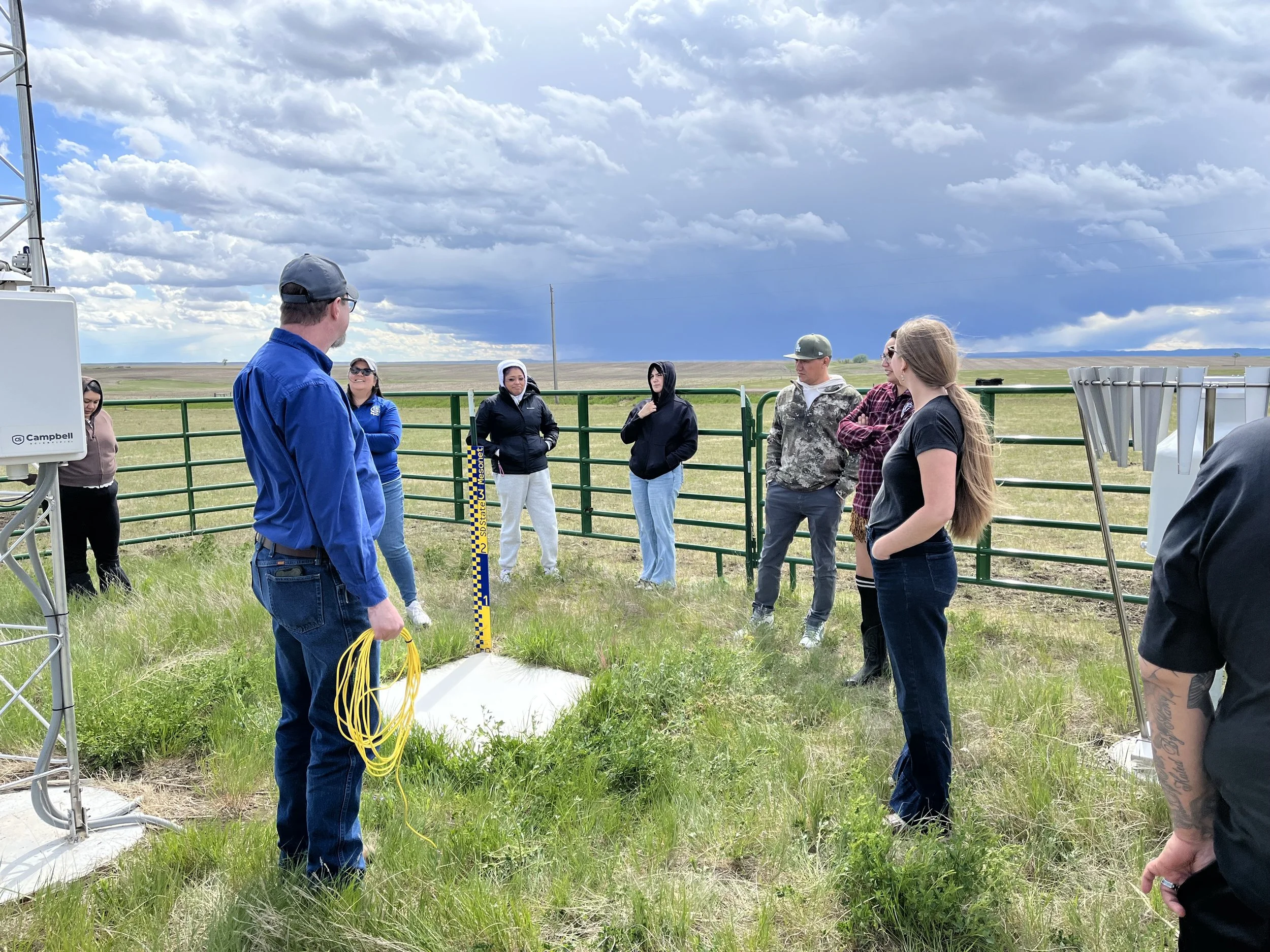
Learning about Mesonet station tools
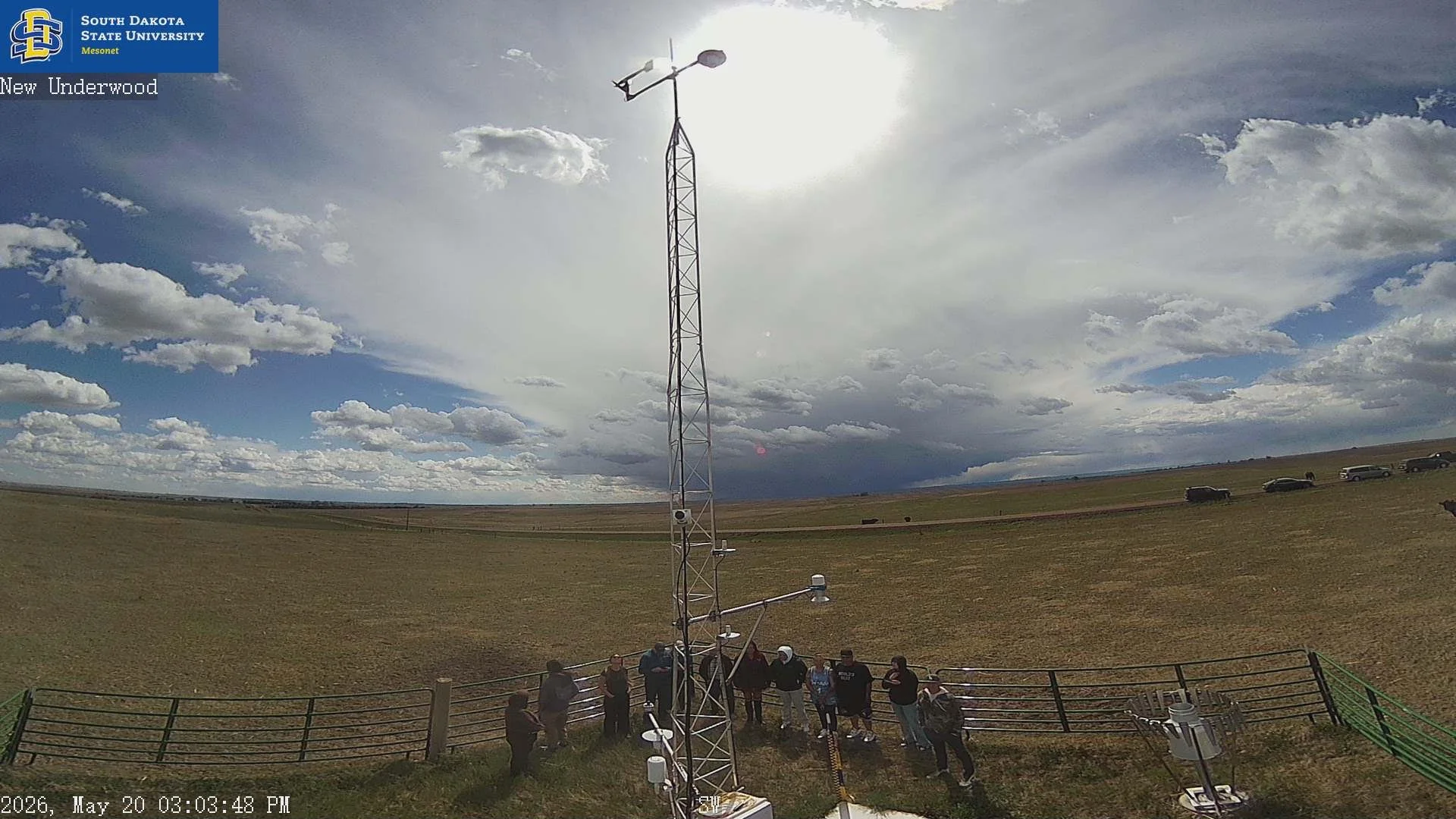
The group on the Mesonet station camera
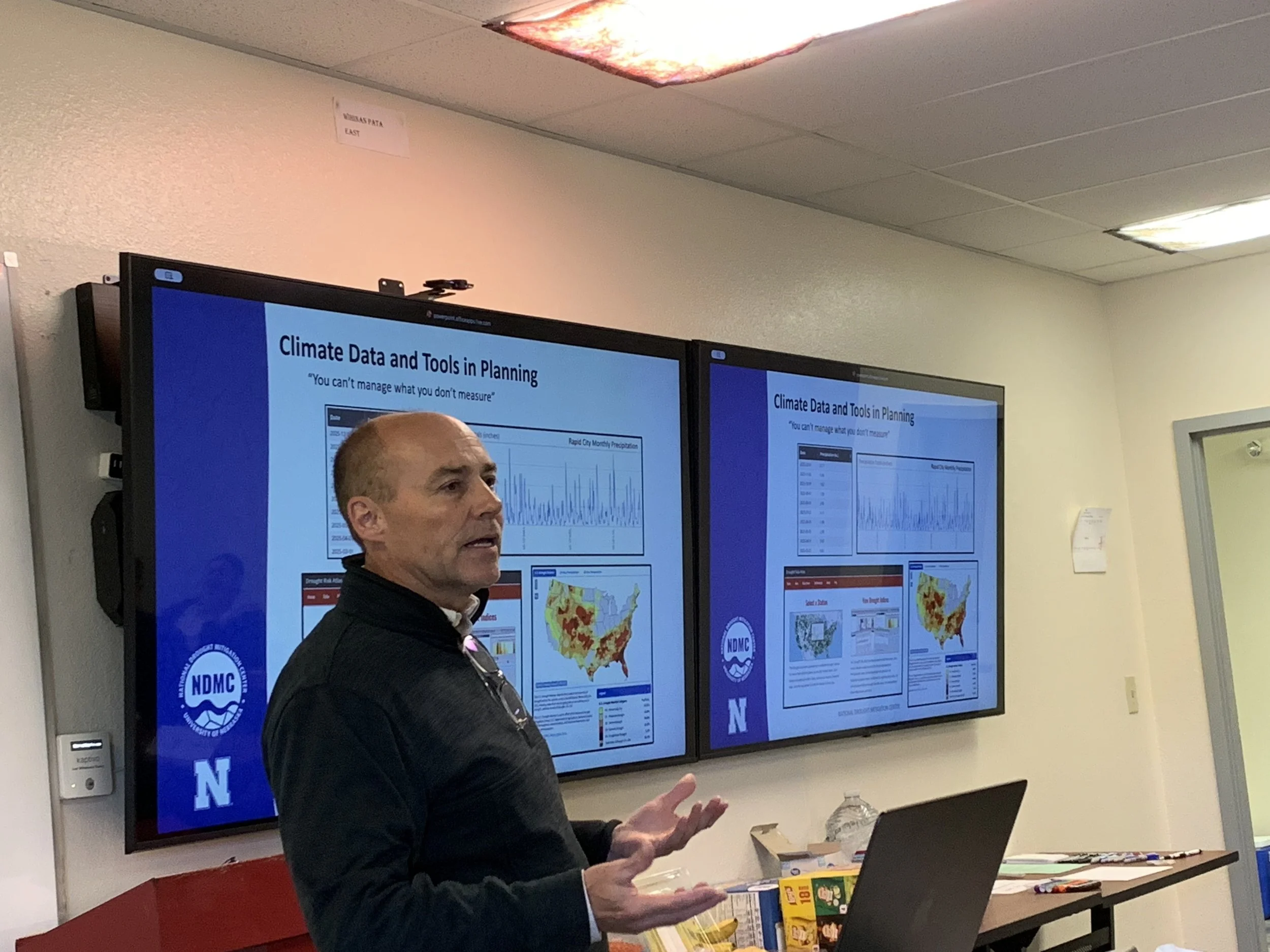
Learning about climate data tools
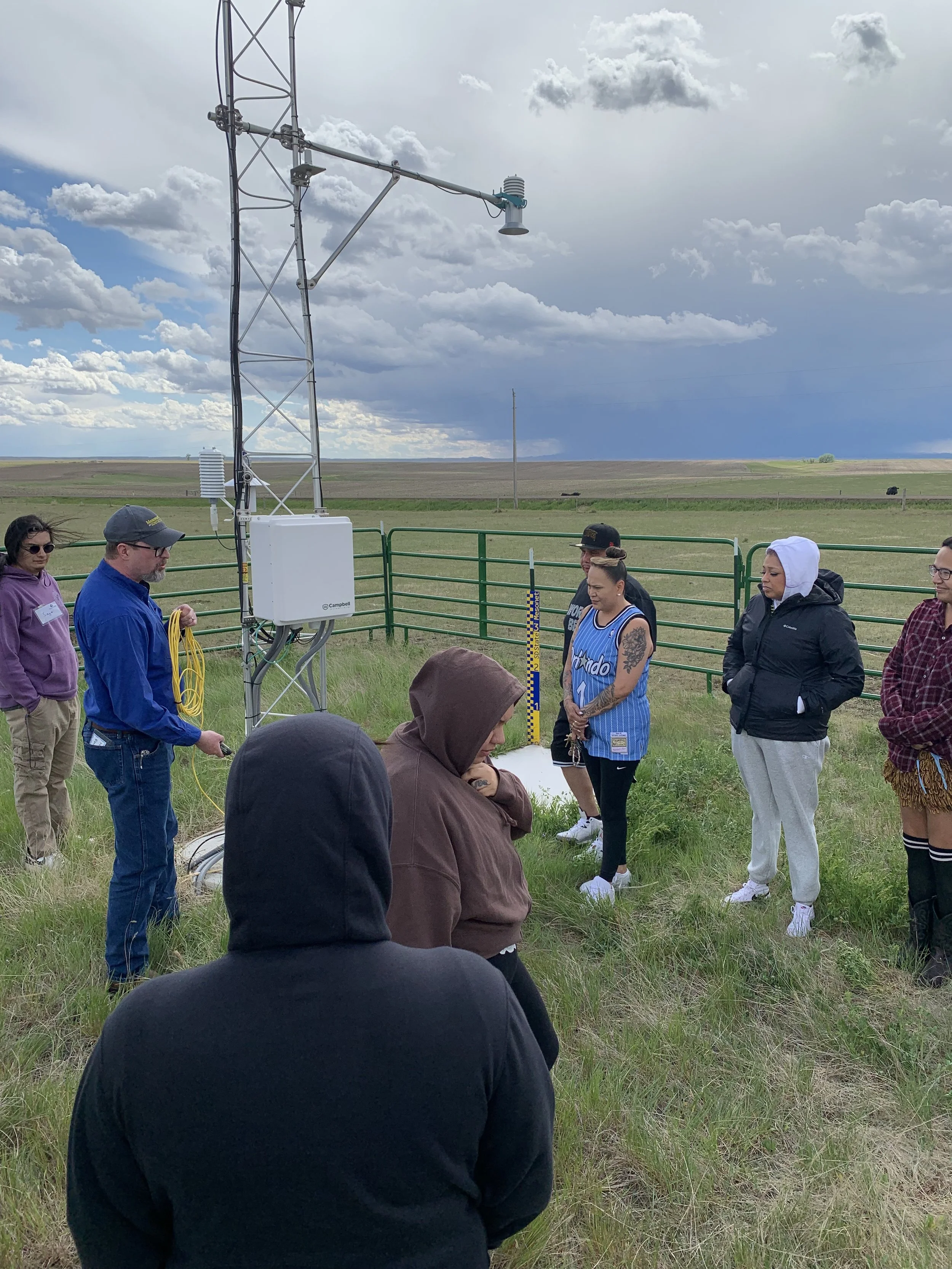
Learning about Mesonet data tools
Taking good notes
Orientation
-
Our work is grounded in Two-Eyed Seeing—a framework that brings together the strengths of Indigenous knowledge systems and Western science. By valuing both ways of knowing, we support more holistic, culturally relevant, and effective solutions for Tribal communities.
We recognize that Indigenous knowledge is rooted in generations of lived experience, stewardship, and deep relationships with land, water, and climate. At the same time, Western science offers tools, data, and analytical methods that can strengthen planning and decision-making.
By weaving these perspectives together, we aim to:
Support community-driven and culturally informed projects
Strengthen climate resilience and stewardship management
Promote respectful collaboration and knowledge sharing
Build solutions that are both scientifically sound and locally meaningful
Interns play an important role in this approach by engaging with data, community priorities, and collaborative learning in ways that honor both knowledge systems.
-
Soon to come!
Project Highlights